Ethnic Wear for Women: A Complete Guide to Timeless Indian Style
Aug 6, 20265 Min Read
Featured Gaming Portal
Ready to Play & Win Rewards?
Experience fast multiplier rounds, instant cashouts, and official certified fair play.
Provably FairInstant Cashouts
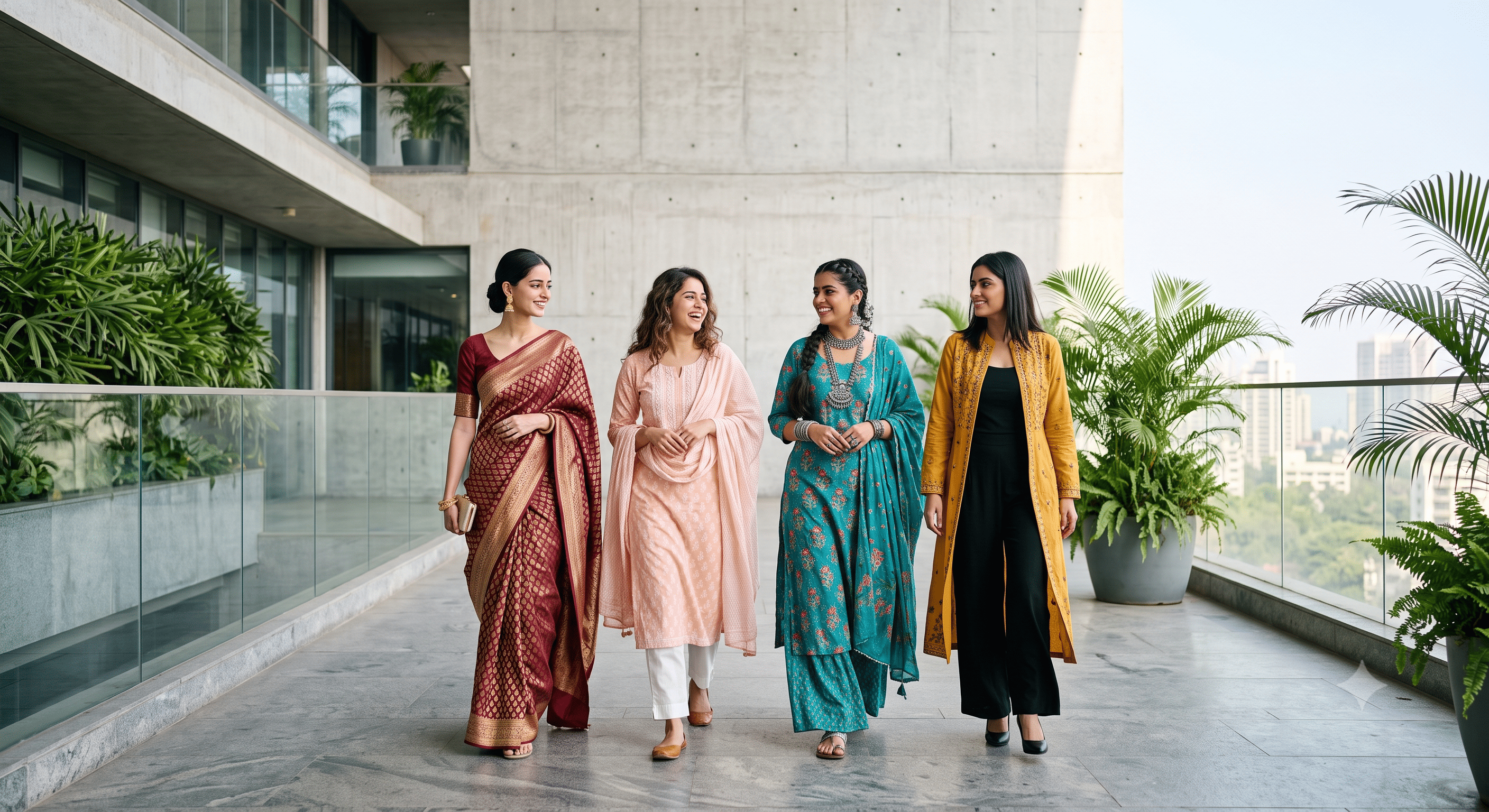
Ethnic wear for women has moved far beyond festival closets and wedding trunks. Today, it lives in daily wardrobes, office bags, and travel suitcases across the world. This guide explains what makes this style so lasting, how to choose the right pieces, and why more women are adding it to their everyday rotation.
What Makes Ethnic Wear for Women So Special?
Indian ethnic wear for women is built on centuries of craft. Sarees, kurtas, and salwar suits carry stories passed down through generations, yet they still feel fresh today.
Each region of India brings its own weaving style, print, and embroidery, which means no two pieces ever feel exactly the same. This mix of history and individuality is part of why the style continues to grow outside India too, especially among women in the United States who want clothing with real meaning behind it.
Comfort plays a big role as well. Loose kurtas, breathable cotton, and flowing silhouettes work for long days at work or slow weekends at home. This is not fashion that fights against your body. It moves with you.
The Rise of Handcrafted Indian Ethnic Wear
One of the biggest shifts in recent years is the demand for handcrafted Indian ethnic wear. Shoppers are moving away from mass-produced garments and toward pieces made by real artisans.
Hand block printing, hand embroidery, and traditional weaving techniques are gaining new attention—not as a niche interest but as a mainstream choice.
This shift matters for a simple reason. A handcrafted piece takes time, skill, and care to create. Buying one supports small workshops and skilled hands rather than a factory line. It also means the outfit you wear has a story, from the fabric to the final stitch.
Everyday Styles: Traditional Wear That Fits Modern Life
Traditional wear does not have to mean heavy fabric and formal events. Many women now build a wardrobe around simple, repeatable pieces that work for regular days.
Answering these questions makes shopping easier and helps build a wardrobe that gets worn regularly.
Why More Women in the US Are Embracing This Style
Interest in Indian ethnic wear for women has grown steadily in the United States.
Many shoppers now value handcrafted fashion, slower production methods, and garments with authentic stories behind them.
Ethnic wear naturally fits these preferences because many pieces still involve skilled artisans at every stage of production.
Indian weddings, festivals, and cultural celebrations have also increased the popularity of kurta sets, sarees, and handcrafted outfits among women looking for clothing that feels meaningful, elegant, and comfortable.
Caring for Ethnic Pieces
Handcrafted and traditional garments deserve extra care to maintain their beauty.
Care Tips
Hand wash or dry clean delicate fabrics.
Store garments folded away from direct sunlight.
Avoid harsh detergents on embroidered sections.
Use padded hangers for heavier garments when needed.
Fold silk sarees differently from time to time to prevent permanent creases.
A little extra care helps preserve colours, embroidery, and craftsmanship for years.
Final Thoughts
Ethnic wear for women is no longer limited to festivals and weddings. It has become an everyday wardrobe choice that combines comfort, craftsmanship, and timeless style.
Whether it is a breathable cotton kurta, a handcrafted saree, or a contemporary Indo-western outfit, ethnic wear offers versatility without losing its cultural roots.
As more women across the world embrace Indian ethnic fashion, one thing remains clear: tradition and modern living can beautifully exist in the same wardrobe.
FAQ Section
Frequently Asked Questions
Find answers to common questions about gameplay, rules, strategies, and fairness.
Daily wear calls for comfort first, while festive events allow room for detailed embroidery, luxurious fabrics, and statement pieces.